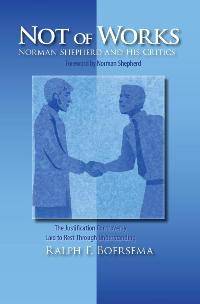
 The teachings of the Reformed theologian, Norman Shepherd, are of great concern to many of his colleagues. In this book the author demonstrates that this concern is frequently based on misreadings. Profoundly mistaken, the criticisms are largely directed to views that are alien to Shepherd . Christ’s Church will be blessed if misunderstandings are removed and thoughtful theological reflection is given to the positions Shepherd really holds, doctrines that can be aptly summarized in quotations of 16th century Reformed theologians, such as the following:
We, indeed, allow that good works are required for righteousness: we only take away from them the power of conferring righteousness, because they cannot stand before the tribunal of God (John Calvin, 1551).
. . . we confess with Paul that no other faith justifies ‘but faith working through love’ [Gal. 5:6]. But it does not take its power to justify from that working of love (John Calvin, 1559).
. . . justification by faith is reconciliation with God, and. . . this consists solely in the remission of sins. . . (John Calvin, 1559).
Therefore, as he died for all, in respect to the sufficiency of his ransom ; and for the faithful alone in respect to the efficacy of the same, so also he willed to die for all in general, as touching the sufficiency of his merit, that is, he willed to merit by his death, grace, righteousness, and life in the most abundant manner for all. . . (Zacharius Ursinus, 1577).
. . . man can merit nothing from God. . . . Nor is the obedience of Christ meritorious in this respect, as though it added any thing to God, but it is called meritorious on account of the dignity of his person because he who suffered was the Son of God (Zacharius Ursinus, 1577).
ABOUT THE AUTHOR
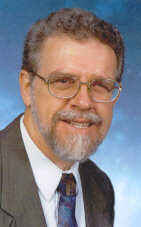 Ralph F. Boersema, B.A., M.Div., Th.M.